




 All Gels
 1-Phase Gels
 Bonding Gels
 Builder Gels
 Finish Gels
 Fiberglass Gels
 French Gels
 Make-up/Camouflage
 Color Gels
 Effect Gels
 All Acrylics
 Acrylic Powder
 Polyacrylic Gels
 Acrylic Liquids
 Acrylic Accessories
 All Nail Polishes
 Nail Polish
 Shellac
 Stamping Polish
 All Liquids
 Cleaner
 Primer & Nail Prep
 Antifungal
 No Lines
 Remover
 All Nail Art
 Rhinestones, Effects & Pigments
 One Stroke & Stamping
 Stickers & Nail Foils
 All Products
 Creams
 Nail Oils
 Hygiene & Disinfection
 UV/LED Lamps & Desk Lamps
 Nail Drills & Bits
 Files & Buffers
 Brushes
 Tools
 Empty Containers
 Display & Storage
 Nail Extension / Repair
 Sets
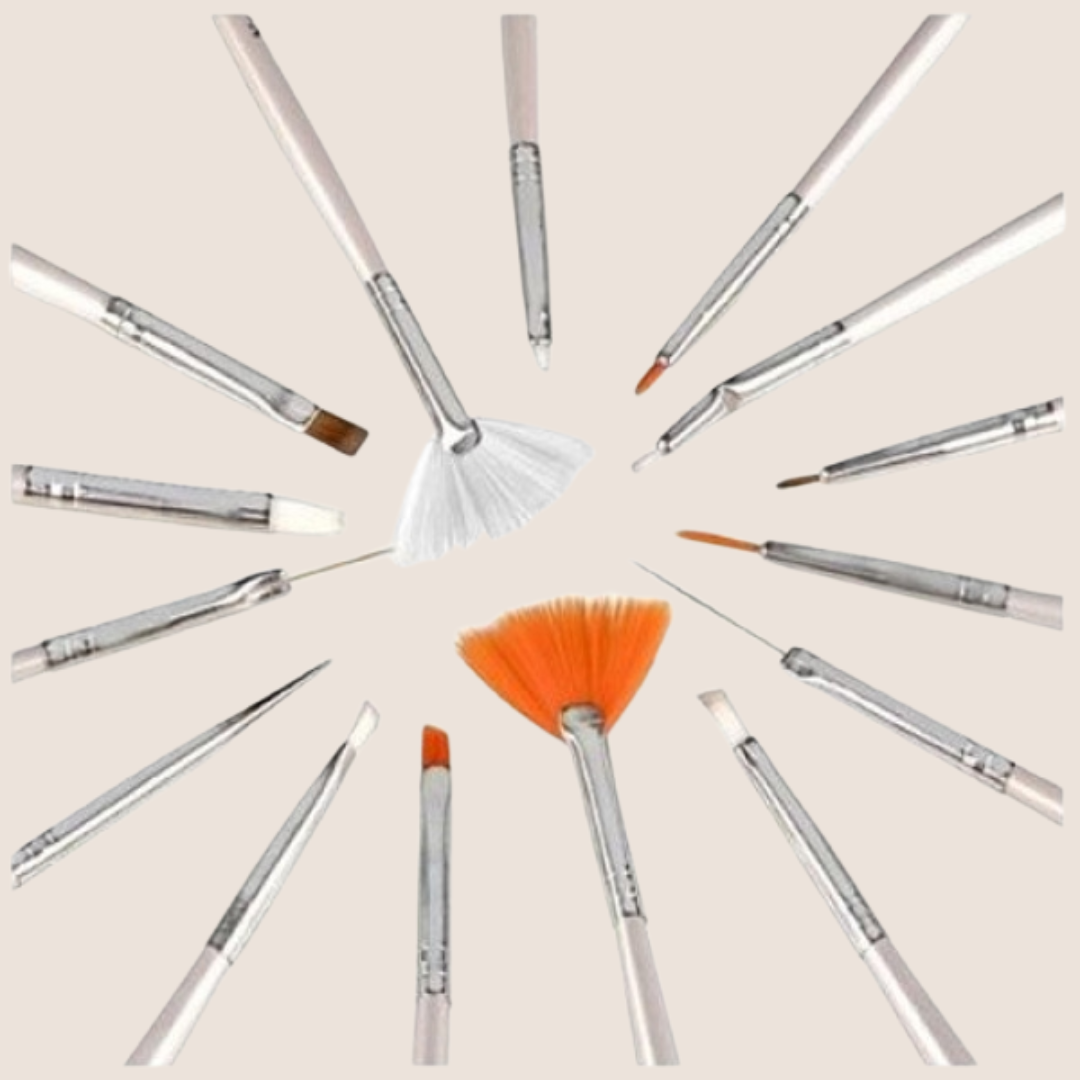
The right nail brush determines how cleanly, quickly and precisely you work. Acrylic, gel and silicone brushes look similar at first glance, but they're made for very different materials and techniques. Here's an overview of how to tell the brush types apart, what they're suited for and how to care for them properly.
How can I tell an acrylic brush from a gel brush?
- Acrylic brushes have a full, round or oval head that tapers to a point. It holds a lot of liquid, which you use to form the acrylic bead. High-quality acrylic brushes are made of natural Kolinsky hair.
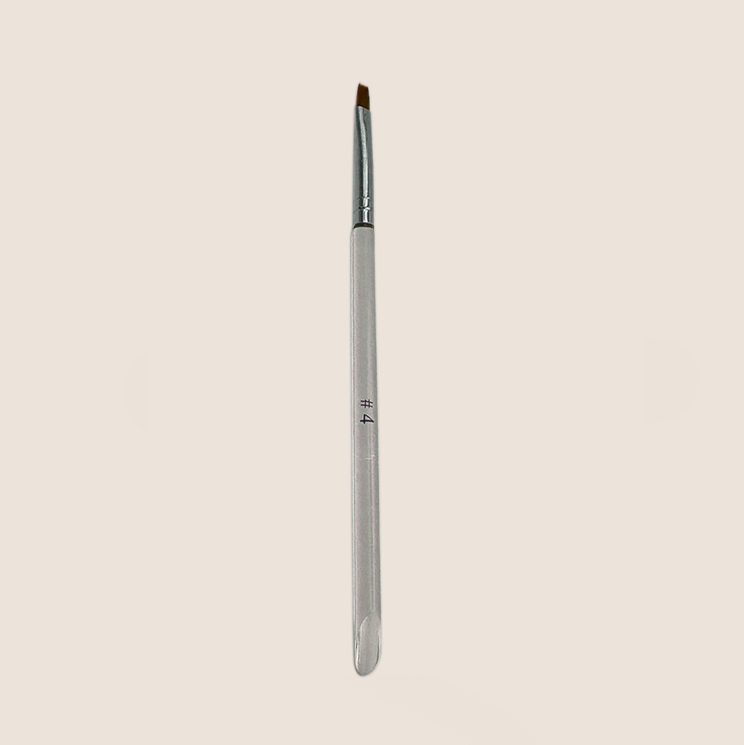
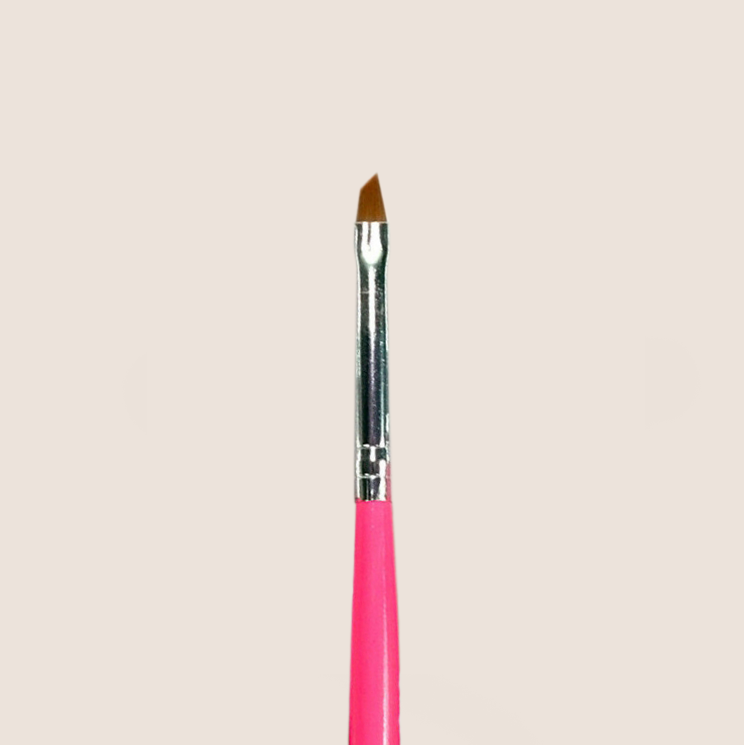
- Gel brushes usually have flat, oval or angled bristles made of synthetic hair. They're firmer and spread the thick gel evenly.
- Silicone brushes have a flexible silicone tip instead of hair. They don't pick up product – they push and shape it.
Many brushes on the market are labelled as combined gel/acrylic brushes. In the salon it's still worth using separate brushes for each material so no residue gets into the other system.
The three brush types compared
Acrylic brushes: for powder and liquid
- Use: Acrylic brushes are made specifically for working with acrylic powder and acrylic liquid. The full head holds liquid, which you use to form a bead of powder. The fine tip allows precise sculpting at the cuticle and sidewalls.
- Properties: Kolinsky hair is elastic, springs back into shape after pressing and holds plenty of liquid. One example is the BNC Kolinsky Acrylic Brush Size 10 with 100% natural Kolinsky hair.
- Size: Sizes 8–10 are popular all-rounders for sculpting; larger brushes pick up more product and suit experienced hands.
- Care: After working, rinse thoroughly in acrylic liquid, reshape with a wipe and let it dry lying flat or with the tip pointing down. Acetone makes the hair brittle.
You can read how acrylic sculpting works step by step in Perfect nails with acrylic powder. You'll find liquids in our acrylic liquids category.
Gel brushes: for even gel application
- Use: Gel brushes spread builder, colour and French gel evenly and smoothly. Flat brushes suit large areas, oval ones soft transitions at the cuticle and angled ones French lines and sidewalls.
- Examples: According to its description, the BNC Gel Brush Size 6 with Acrylic Handle is ideal for precise application of French or colour gel, and the BNC Angled Gel Brush No. 6 with synthetic hair for applying and sculpting gel.
- Care: After working, wipe the brush with a dry wipe. Protect brushes from light (keep the cap on) so gel residue doesn't cure inside. Use cleaner sparingly and follow the manufacturer's recommendation.
Tips for even application can be found in How to apply colour gel correctly.
Silicone brushes: for shaping and nail art
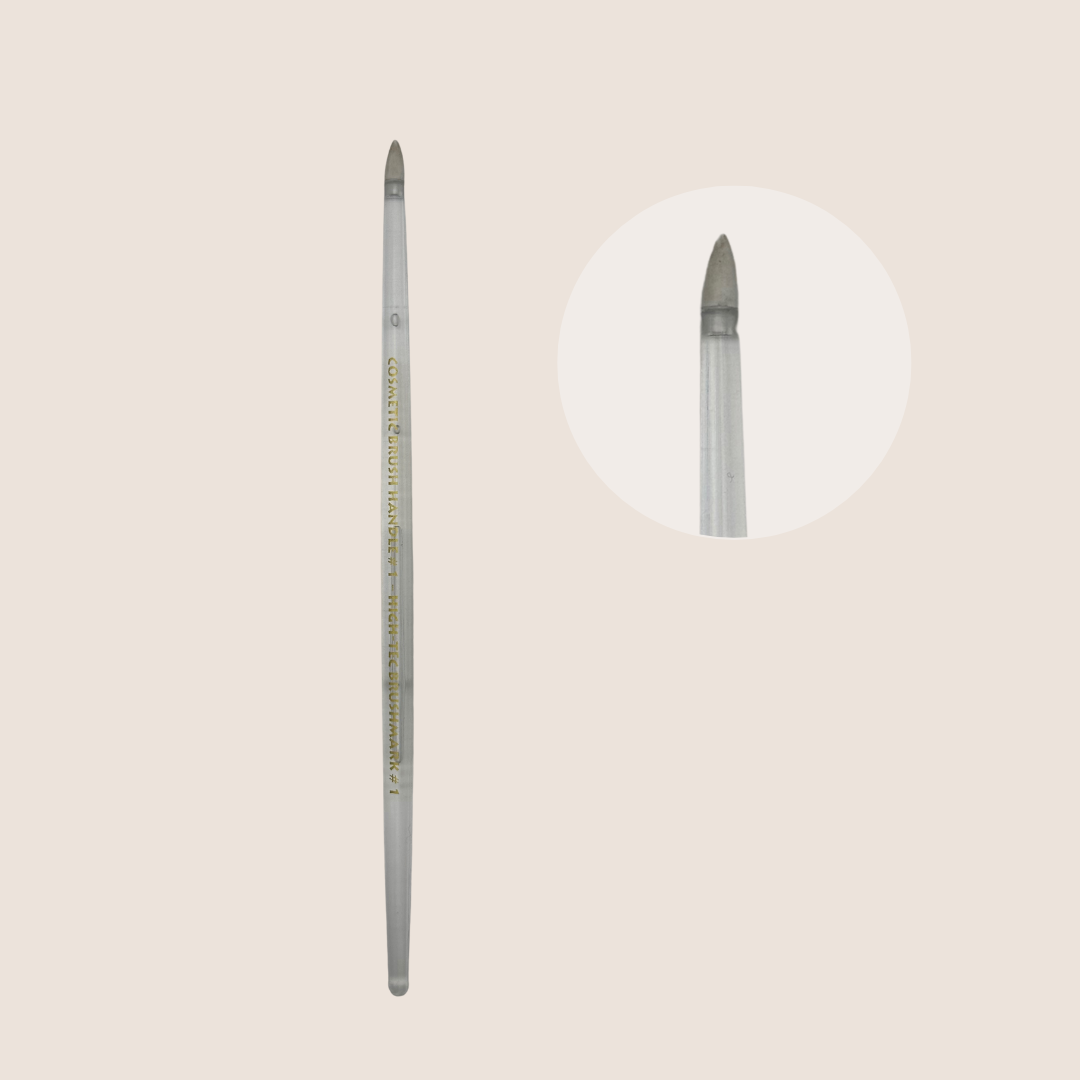
- Use: Silicone brushes have no hair, just a flexible silicone tip. Use them to push and shape gel, refine French lines and place effect gels or glitter precisely. According to its description, the BNC Round Silicone Brush is designed for exactly that.
- Properties: Silicone doesn't absorb product, is easy to clean and very durable. Silicone brushes are less suited for applying gel over large areas or for acrylic beads, because they don't “carry” product.
- Care: Simply wipe clean with a wipe.
💡 Pro tip for salons
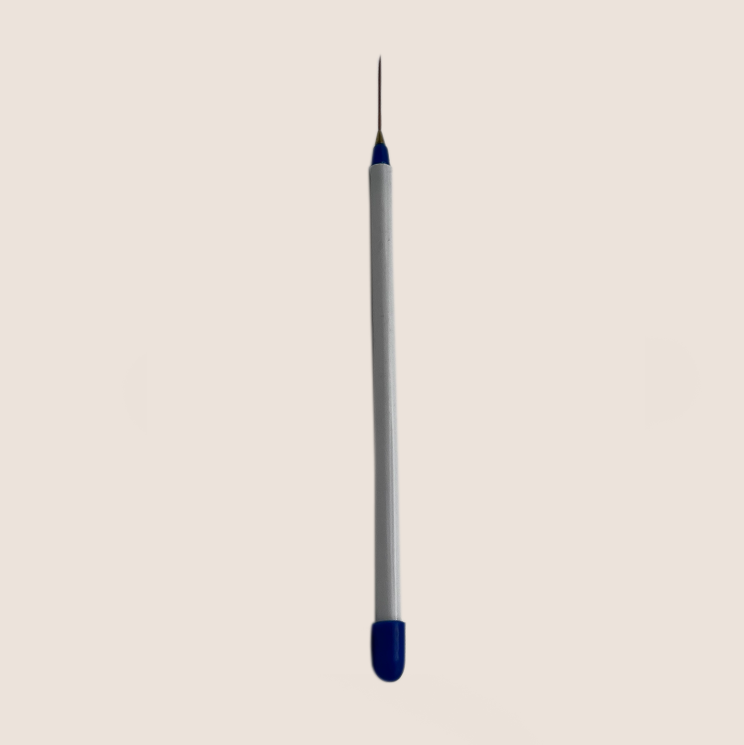
Label or mark your brushes by material (builder gel, colour gel, acrylic) and keep separate brushes for dark colours. That way you avoid discolouring light shades and leftover product in the wrong system. For fine lines and embellishments, a long liner brush like the BNC Nail Art Brush No. 2 Long is also worth having.
Which brush for whom?
- Beginners working with gel: a flat or oval gel brush size 4–6 plus a silicone brush for corrections.
- Acrylic sculpting: a Kolinsky acrylic brush size 8–10.
- Nail art: a set with different shapes, e.g. the BNC White Brush Set, 15 pieces for fine lines, patterns and gradients.
You'll find all models in our brushes category. Still torn between acrylic and gel? Then Acrylic or gel nails – which is better? will help.
FAQ: Nail brushes
Can I use a gel brush for acrylic?
It's not ideal. Synthetic hair holds less liquid and the acrylic bead is harder to shape. Use a dedicated acrylic brush for acrylic.
Why is my acrylic brush getting hard?
Usually it wasn't rinsed thoroughly in liquid, or it came into contact with acetone. Acrylic residue cures inside the brush and makes it stiff.
How long does a good brush last?
With proper care, many months – often much longer. What matters is thorough wiping, protecting gel brushes from light and drying them in shape.
Do I need a silicone brush as a beginner?
It's not a must, but it's very handy for clean edges, French lines and small corrections – and it forgives a lot of mistakes.
The right brush for every technique
Acrylic, gel, silicone and nail art brushes: in the BNC online shop you'll find nail cosmetics & nail salon supplies in professional quality – for home and for the salon.
Browse the shop



Leave a comment
This site is protected by hCaptcha and the hCaptcha Privacy Policy and Terms of Service apply.