




 All Gels
 1-Phase Gels
 Bonding Gels
 Builder Gels
 Finish Gels
 Fiberglass Gels
 French Gels
 Make-up/Camouflage
 Color Gels
 Effect Gels
 All Acrylics
 Acrylic Powder
 Polyacrylic Gels
 Acrylic Liquids
 Acrylic Accessories
 All Nail Polishes
 Nail Polish
 Shellac
 Stamping Polish
 All Liquids
 Cleaner
 Primer & Nail Prep
 Antifungal
 No Lines
 Remover
 All Nail Art
 Rhinestones, Effects & Pigments
 One Stroke & Stamping
 Stickers & Nail Foils
 All Products
 Creams
 Nail Oils
 Hygiene & Disinfection
 UV/LED Lamps & Desk Lamps
 Nail Drills & Bits
 Files & Buffers
 Brushes
 Tools
 Empty Containers
 Display & Storage
 Nail Extension / Repair
 Sets

If you work with nail products, you have probably come across the term HEMA-free. But what exactly does it mean? And why are more and more nail salons and professionals choosing HEMA-free gels? In this article you'll learn what HEMA is, why it can be problematic, what “HEMA-free” can – and can't – do, and which HEMA-free alternatives are available.
What is HEMA?
HEMA (2-hydroxyethyl methacrylate) is a small monomer found in many nail gels, UV polishes and bonding agents. It provides very good adhesion to the natural nail as well as flexibility. When cured under the lamp, it bonds with the other ingredients to form a solid network. HEMA is mainly a problem in its uncured, liquid state – in other words, when it gets onto the skin.
Why is HEMA problematic?
Although HEMA is widely used in the nail industry, it can cause problems for some people:
- Allergies and skin irritation: HEMA is one of the most common causes of contact allergies from nail products. Typical signs are redness, itching, swelling or blisters on the cuticles and fingertips.
- Sensitisation: repeated skin contact can lead to an allergy that lasts for life. Those affected often react to other (meth)acrylates as well – for example in dental fillings or medical adhesives.
- Legal requirements: in the EU, nail products containing HEMA may only be intended for professional use and must carry a warning about possible allergic reactions.
Good to know: allergies are usually not caused by the gel itself but by skin contact with uncured material – for example from gel flooding onto the cuticle, dust from layers that are not fully cured, or a lamp that doesn't match the gel.
What does HEMA-free mean?
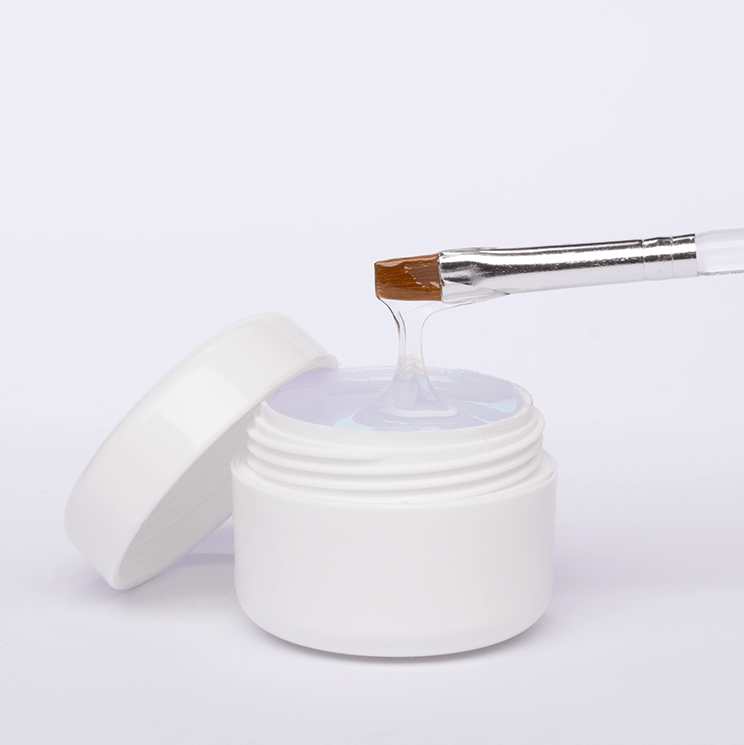
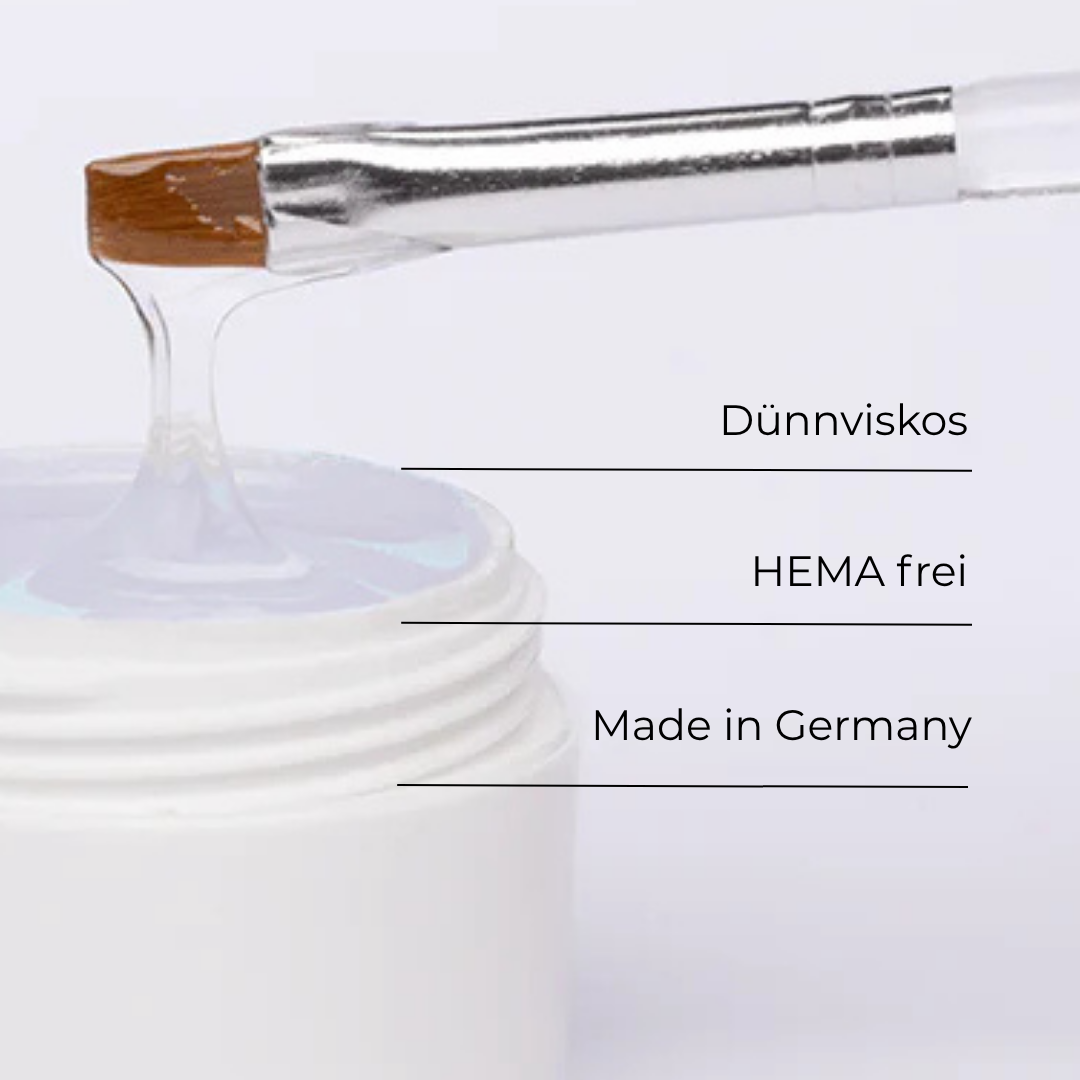
A product labelled HEMA-free contains no HEMA at all. Instead, other monomers and oligomers are used to achieve similar adhesion and flexibility.
But note: HEMA-free does not mean allergy-free. HEMA-free gels are also based on (meth)acrylates, which can cause sensitisation on contact with the skin. The risk is lower, but clean working remains a must. Anyone with a confirmed acrylate allergy should seek medical advice before any nail enhancement.
Benefits of HEMA-free products
- Kinder to the skin: the risk of allergic reactions is reduced because one of the most common triggers is missing.
- Gentler on sensitive skin: ideal for clients and nail technicians who want to be careful.
- More safety for beginners: especially at the start, gel easily touches the skin.
- Protection for professionals: those who work with gel every day have the highest risk of sensitisation – HEMA-free products reduce this exposure.
What are the alternatives to HEMA?
Many manufacturers now use formulas without HEMA, without compromising on quality or durability:
- HEMA-free gels and UV polishes: these use other monomers that offer similar adhesion.
- Gels based on larger molecules (e.g. urethane acrylates): large molecules penetrate the skin less easily and are therefore considered less sensitising.
- HEMA-free bonding gels: the base layer sits directly on the natural nail and close to the skin – this is where a HEMA-free option is particularly worthwhile.
- Acrylic (powder and liquid): acrylic systems are also based on methacrylates, so check the ingredient information here too.
HEMA-free gels at BNC
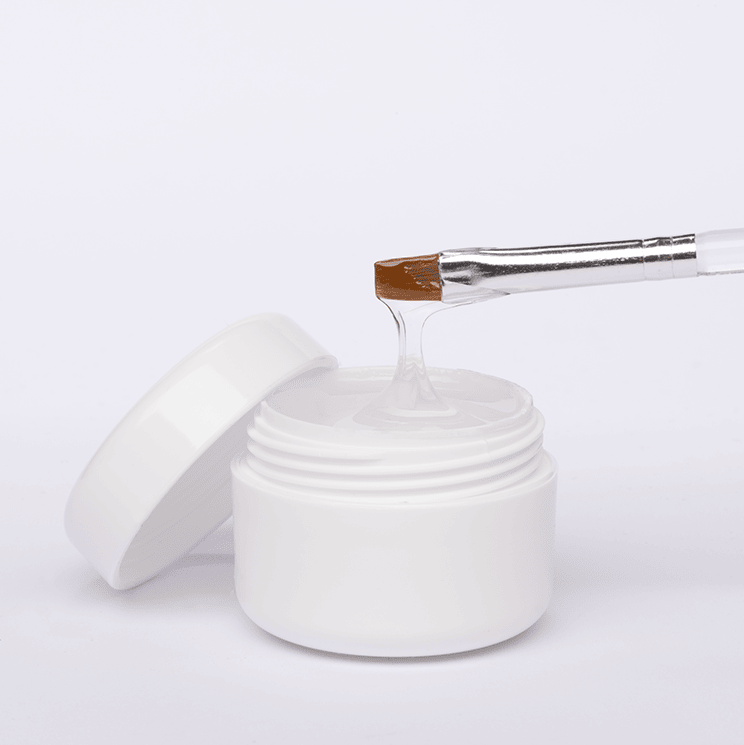
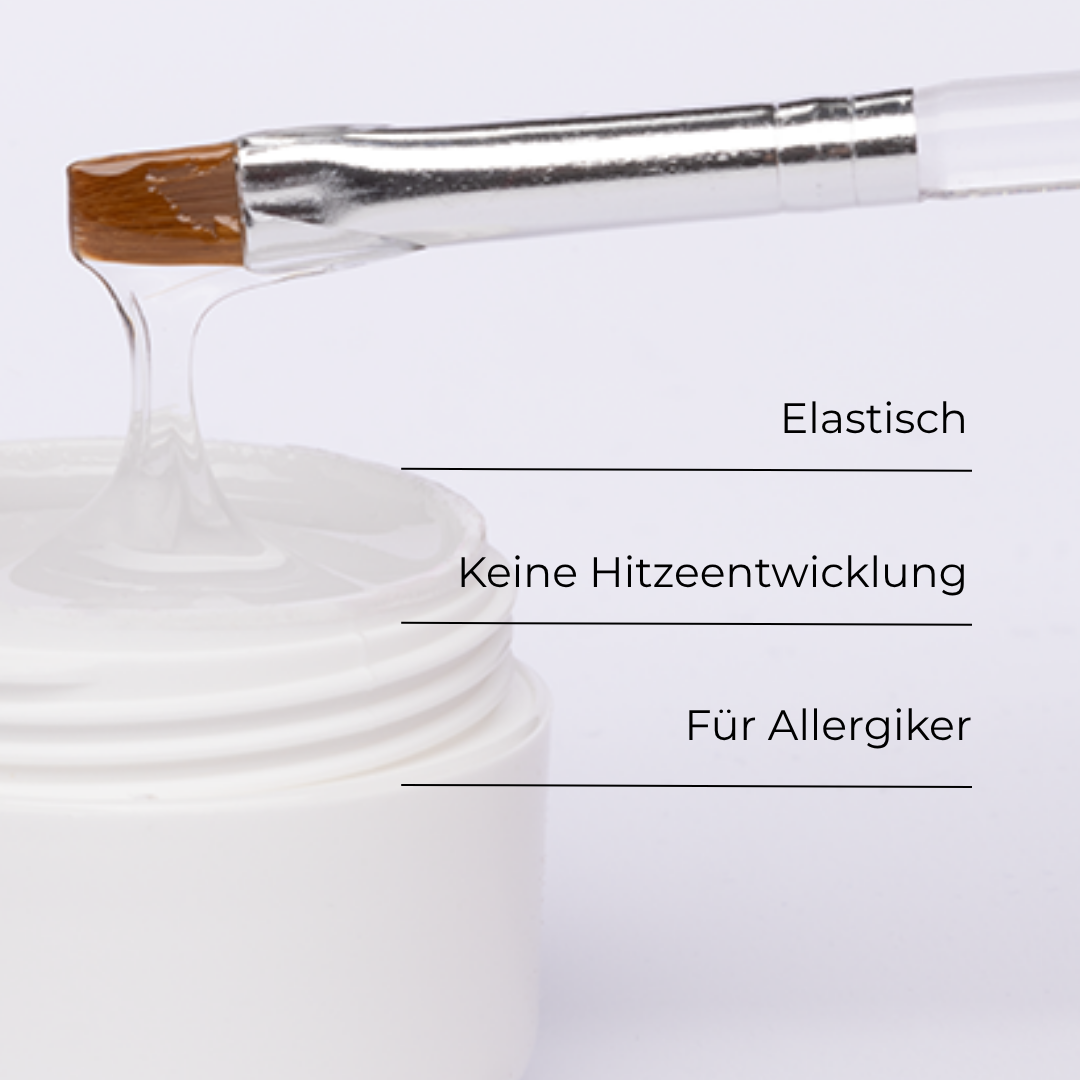
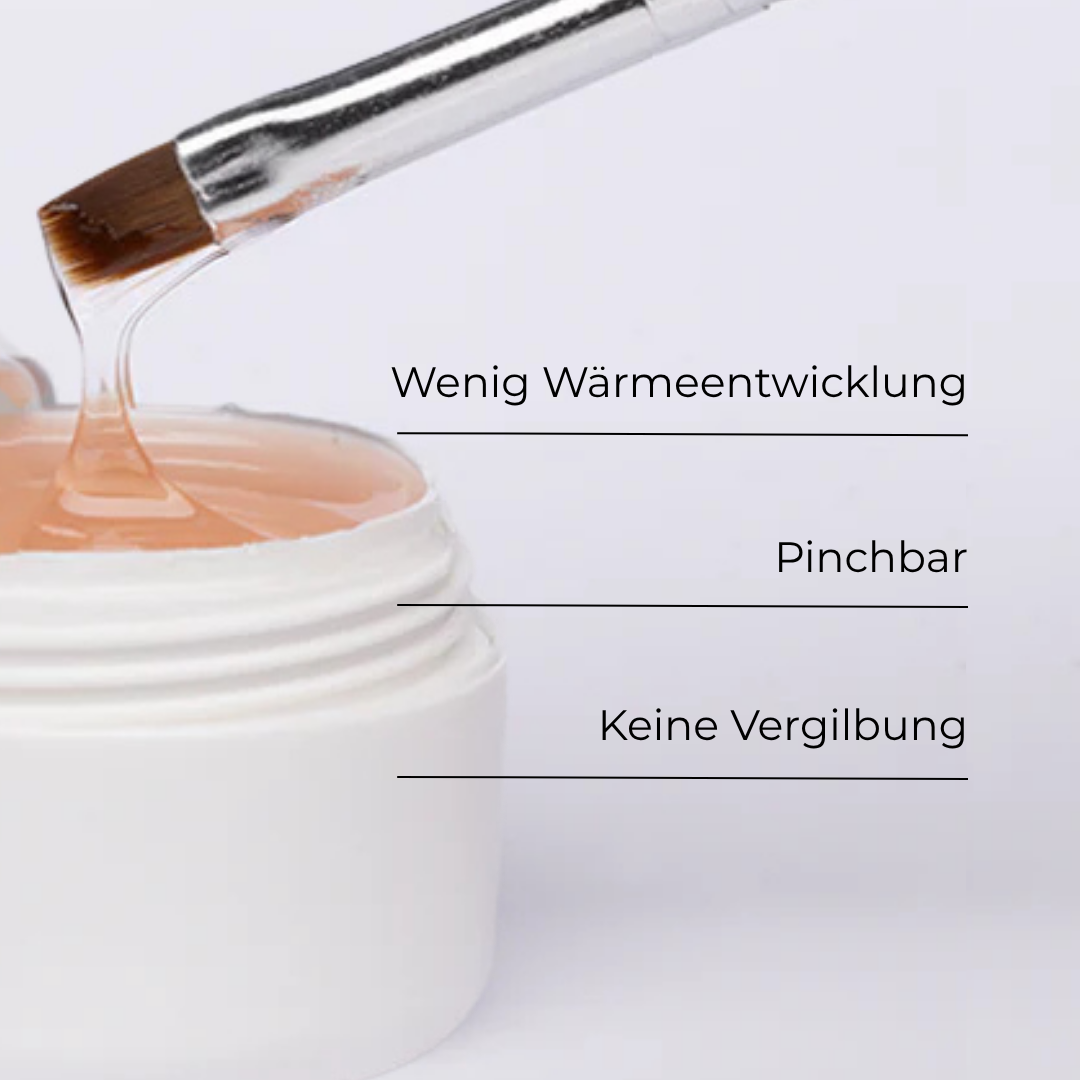
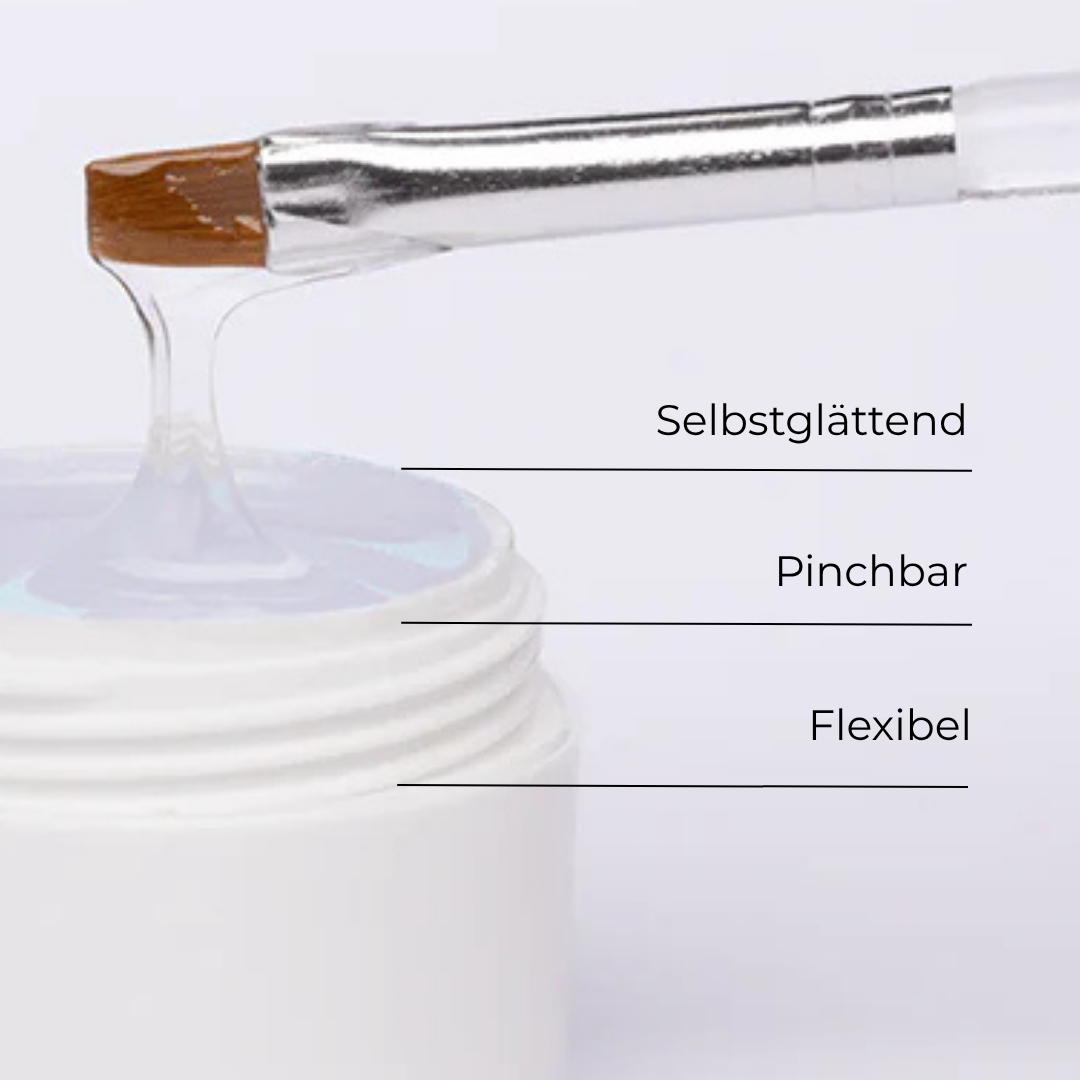
At Buschmann Nail Cosmetics, the “HEMA-free” information is stated directly in each product description. A selection:
You'll find more gels in the builder gels, colour gels and finish gels categories. You can also type “HEMA-frei” into the shop search – and if in doubt, always check the information in the product description.
How to protect yourself and your clients
HEMA-free products are a good step – but the most important protection is still clean working:
- No skin contact: never apply gel to the cuticle or skin. Remove any flooded gel with a wooden stick or brush before curing.
- Cure fully: lamp and gel must match, and the stated curing times should be observed. Find out more in our UV or LED lamp buying guide.
- Thin layers: layers that are too thick don't cure through properly.
- Remove the sticky layer correctly: use cleaner and a lint-free wipe, without spreading it onto the skin.
- Gloves in the salon: nitrile gloves protect your own hands. Keep brushes and work surfaces clean.
- Avoid filing dust: only file once fully cured and remove dust with a dust brush.
Learn how to prepare the natural nail properly in our article The perfect base for gel nails.
💡 Pro tip for salons
During the consultation, ask new clients about known allergies and previous reactions to gel or acrylic. Note which products you used – so you can react quickly to any redness and switch specifically to HEMA-free alternatives.
Who are HEMA-free products suitable for?
- Clients with sensitive skin who want to be careful
- Nail salons that want to protect their staff and clients
- Beginners, who are more likely to slip when applying gel
- Professionals who work with gel every day and want to stay comfortable in the long term
FAQ: HEMA-free
Am I safe from allergies with HEMA-free gels?
No, but the risk is lower. Other acrylates can also cause sensitisation. The key is to keep uncured gel off the skin.
How do I recognise a gel allergy?
Typical signs are redness, itching, swelling or blisters around the nail, sometimes also on the eyelids or face. Have the enhancement removed professionally and get the symptoms checked by a doctor.
Can I simply switch to HEMA-free gels after an allergy?
Only after medical advice. An allergy test shows which substances you react to – an allergy often involves several acrylates.
Where can I find the “HEMA-free” information?
At BNC, it is stated in each product description. It's also worth checking the ingredients on the packaging.
Conclusion: HEMA-free is more than a trend
HEMA-free products are an important step towards skin-friendlier nail enhancements. With the right alternatives, you don't have to compromise on quality or durability. Whether you run a nail salon or do your nails at home: combine HEMA-free gels with clean working and complete curing – that is the best way to protect yourself and your clients.
🔎 More help with gel problems
You'll find all the typical problems with gel and shellac – with short answers and matching products – in our overview Gel problems & solutions. Not sure about a technical term? Take a look at the Nail design glossary A–Z.
Discover HEMA-free gels
Bonding gels, builder gels, colour gels and finish gels without HEMA: in the BNC online shop you'll find nail cosmetics & nail salon supplies in professional quality – for home and for the salon.
Browse the shop




Leave a comment
This site is protected by hCaptcha and the hCaptcha Privacy Policy and Terms of Service apply.