




 All Gels
 1-Phase Gels
 Bonding Gels
 Builder Gels
 Finish Gels
 Fiberglass Gels
 French Gels
 Make-up/Camouflage
 Color Gels
 Effect Gels
 All Acrylics
 Acrylic Powder
 Polyacrylic Gels
 Acrylic Liquids
 Acrylic Accessories
 All Nail Polishes
 Nail Polish
 Shellac
 Stamping Polish
 All Liquids
 Cleaner
 Primer & Nail Prep
 Antifungal
 No Lines
 Remover
 All Nail Art
 Rhinestones, Effects & Pigments
 One Stroke & Stamping
 Stickers & Nail Foils
 All Products
 Creams
 Nail Oils
 Hygiene & Disinfection
 UV/LED Lamps & Desk Lamps
 Nail Drills & Bits
 Files & Buffers
 Brushes
 Tools
 Empty Containers
 Display & Storage
 Nail Extension / Repair
 Sets
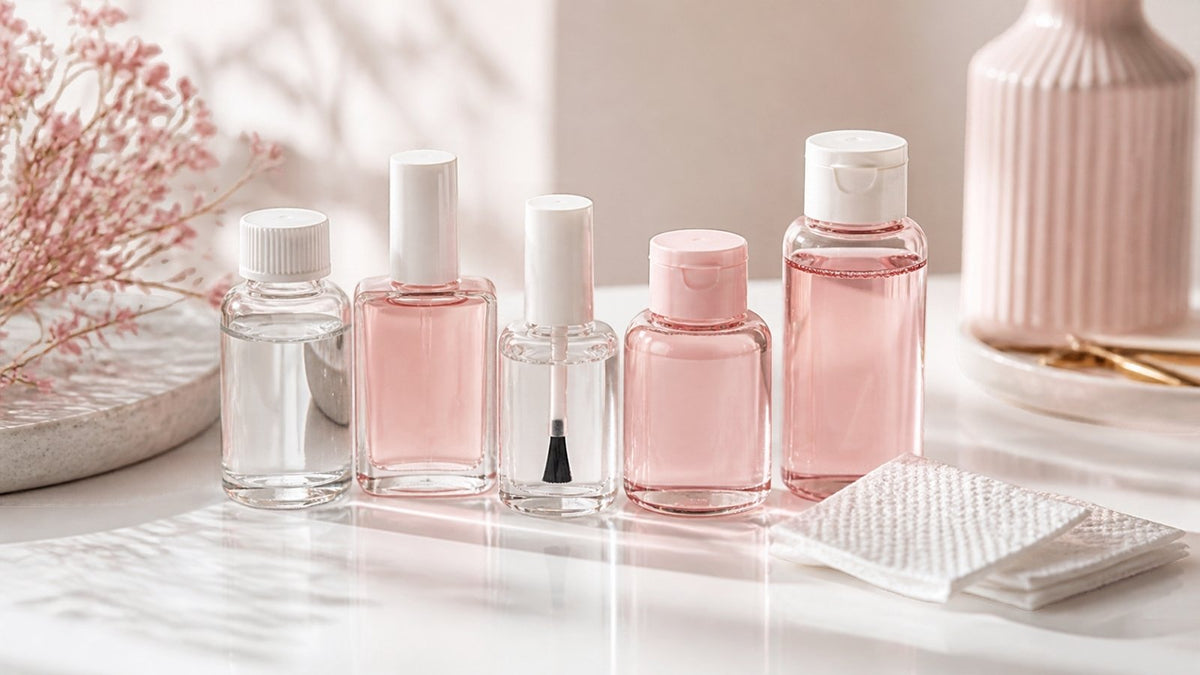
Primer, cleaner, nail prep or remover – when you do gel nails or shellac, four or five little bottles quickly pile up on your nail table, and at first glance they all look alike. But every liquid has its own job and its fixed place in the routine. In this guide you'll find out what you need when – so your nails last and removal stays gentle later on.
The four helpers in a nutshell
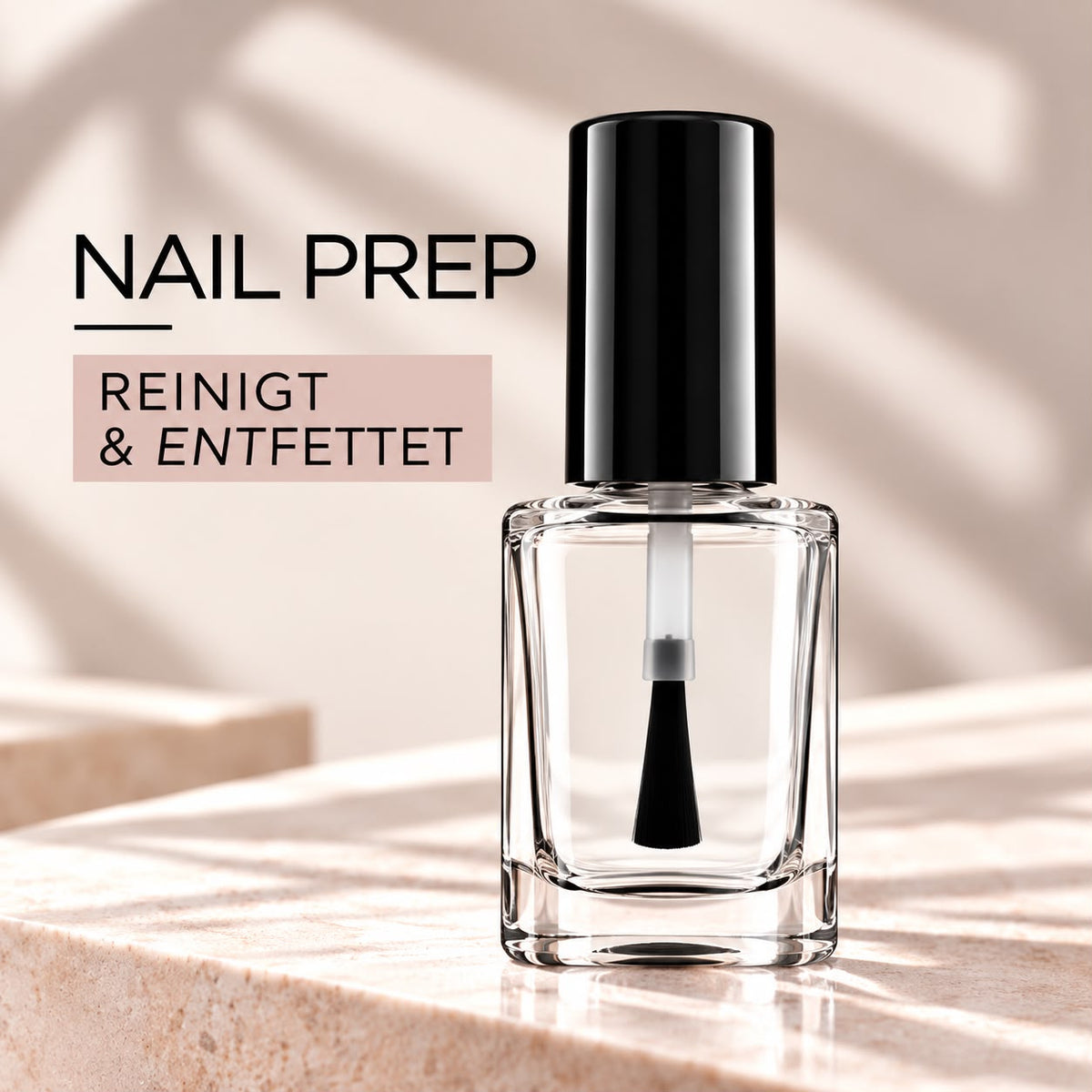
Nail prep (dehydrator)
A nail prep – often called a dehydrator – removes excess moisture and natural oils from the nail plate. These oils are one of the most common causes of lifting. The BNC Nail Prep (Dehydrator) is applied before the primer and air-dries in about 30 seconds.
Primer (bonding agent)
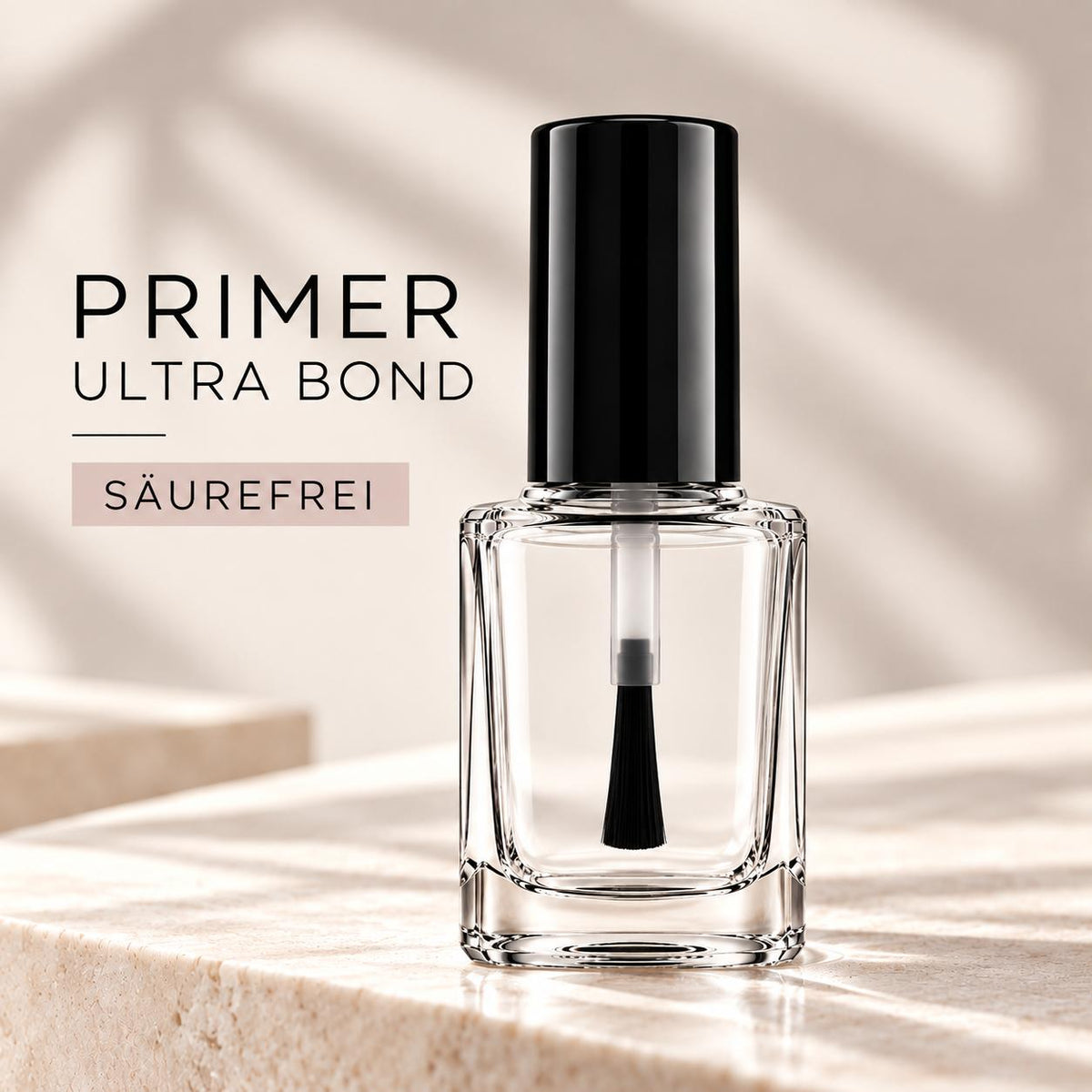
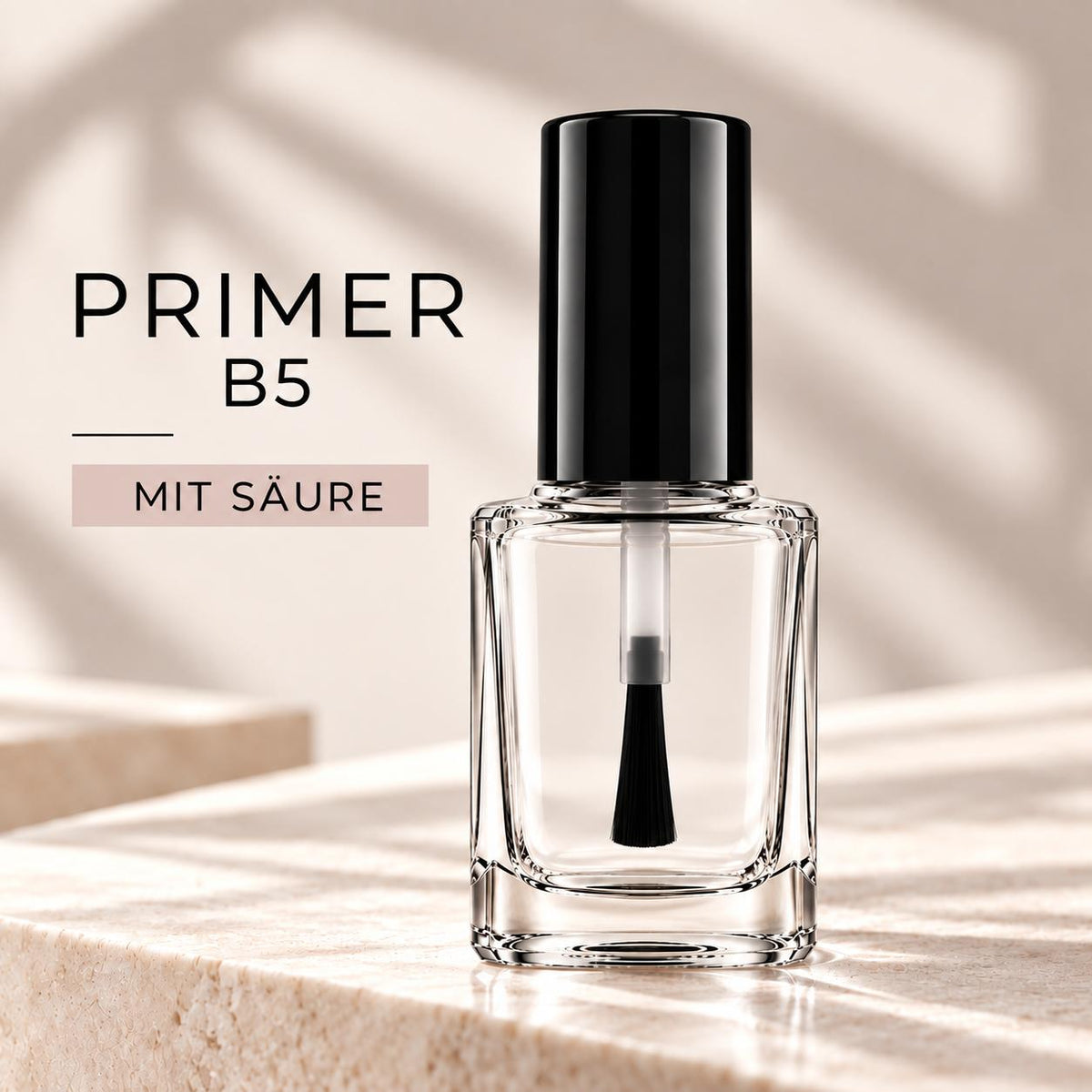
The primer is the “bridge” between the natural nail and gel or acrylic. It makes sure the enhancement bonds firmly to the nail. There are acid-free primers such as the BNC Primer Ultra Bond and acid primers such as the BNC B5 Acid Primer. You'll find all bonding agents in our Primer & Nail Prep category.
Cleaner
A cleaner cleans and degreases the nail surface and removes the sticky inhibition layer (dispersion layer) after curing. The BNC Cleaner Clear also disinfects and degreases the natural nail. The BNC Cleaner Pink and the BNC Cleaner Red with Cherry Scent are ideal for wiping off the inhibition layer, filing dust or excess nail art paint.
Remover & acetone
Removers only come into play at the very end – when taking things off. Depending on the material, you'll need pure BNC Acetone, a caring Shellac Remover with Lanolin or the acetone-free BNC Nail Polish Remover for regular nail polish. All removers are in the Remover and Cleaner & Acetone categories.
Overview: which product for what and when?
The right order, step by step
For gel nails
- Clean: Wash your hands, wipe the nails with cleaner and gently push back the cuticles.
- Buff: Lightly roughen the nail surface and thoroughly remove the filing dust.
- Nail prep: Apply a thin layer and let it dry for about 30 seconds.
- Primer: Apply a very thin layer to the natural nail only and let it air-dry.
- Apply gel: Cure the bonding gel or base, builder gel and colour gel one by one – do not wipe off the inhibition layer between layers.
- Finish: After the final cure, remove the inhibition layer with cleaner.
For more details on preparation, read our article The perfect base for gel nails.
For shellac
- Clean and buff gently: For shellac, a light buff is enough – remove the dust afterwards.
- Nail prep: Degreases the nail plate so the base adheres well.
- Primer (if needed): For oily nails or adhesion problems, use an acid-free primer.
- Base, colour, top: Apply each layer thinly and cure it.
- Finish: If your top coat leaves an inhibition layer, wipe it off with cleaner at the end.
Acid primer or acid-free primer?
Both types of primer improve adhesion, but they differ in how they work and how you use them:
- Acid-free primer: Gentler on the natural nail and therefore the first choice for most clients and for beginners. The Primer Ultra Bond leaves a slightly tacky bonding layer, is low-odour and also works well on problem nails.
- Acid primer: Provides a particularly strong bond and helps with stubborn lifting – for example on very oily nails or toenails. Use it very sparingly and only on the natural nail; avoid contact with skin and cuticles.
For acrylic enhancements there's a shortcut: the BNC Acrylic Liquid Perfect Primerless already contains an integrated primer, so no additional bonding agent is needed. You can read exactly how nail prep and acid primer differ in our article The difference between BNC B5 Acid Primer & BNC Nail Prep.
Acetone or remover – what should you use for removal?
- Pure acetone is powerful and dissolves shellac, gel polish, acrylic as well as nail glue and tips. Ideal when you need to be quick or are removing acrylic.
- Shellac remover with lanolin also reliably removes shellac and hybrid polish, but cares for the skin at the same time and helps prevent dry cuticles – pleasant for sensitive skin.
- Acetone-free nail polish remover is made for regular nail polish. It isn't strong enough for shellac.
Important: classic builder gel usually can't be soaked off – it's filed off instead. We explain how to do that in How do I remove my gel nails?.
Common mistakes – and how to avoid them
- Skipping the nail prep: Without degreasing, a fine film of oil stays on the nail – lifting is often the result.
- Too much primer: More doesn't help more. A very thin layer is enough – otherwise adhesion can even suffer.
- Primer on the skin: Never apply primer, especially acid primer, to the cuticles or skin.
- Touching the nail after prep: Even a single fingertip puts oil back onto the nail plate.
- Wiping the inhibition layer too early: It's needed for adhesion between gel layers – only remove it with cleaner after the final cure.
- Linty cotton instead of nail wipes: Fibres get stuck in the gel. Use lint-free nail wipes instead.
- Leaving bottles open: Cleaner, acetone and primer evaporate quickly – close them tightly after every use.
💡 Pro tip for salons
Cleaner, acetone and remover are among the liquids that run out fastest in a salon. With the BNC Cleaner Clear 5 Litres you can simply refill your pump dispensers yourself, and acetone and shellac remover are also available in 1-litre sizes. You can even get the Primer Ultra Bond in up to 500 ml. You'll find all refill sizes under Liquids – and why it pays off is explained in Why large pack sizes are ideal for nail salons.
FAQ: cleaner, primer, nail prep & remover
Do I need nail prep and primer?
Yes, they complement each other: the nail prep degreases and dehydrates the nail, then the primer ensures adhesion. Nail prep always comes first.
Can I use cleaner instead of nail prep?
Cleaner cleans and degreases the surface, but it doesn't replace the dehydrator, which specifically draws moisture and oils out of the nail plate. For reliable adhesion we recommend both steps.
Does the primer need to be cured under the lamp?
Not with the BNC Primer Ultra Bond – it air-dries in about 30 seconds. After that you can carry on straight away with the gel.
Which primer is better for beginners?
An acid-free primer is gentler and more forgiving of small application mistakes. Only use acid primer once you're experienced with applying it sparingly.
What's the gentlest way to remove shellac?
With a remover containing caring ingredients, such as the BNC Shellac Remover with Lanolin. Lightly roughen the top coat, place a soaked nail wipe on the nail, secure it with foil, let it work and then gently push off the dissolved polish.
Can I use regular nail polish remover for shellac?
Not really. Acetone-free nail polish remover is made for regular nail polish – for shellac you need acetone or a special soak-off remover.
Perfectly prepared – from prep to remover
Nail prep, primer, cleaner and remover in professional sizes: in the BNC online shop you'll find nail cosmetics & nail salon supplies in professional quality – for home and for the salon.
Browse the shop


Leave a comment
This site is protected by hCaptcha and the hCaptcha Privacy Policy and Terms of Service apply.