





 All Gels
 1-Phase Gels
 Bonding Gels
 Builder Gels
 Finish Gels
 Fiberglass Gels
 French Gels
 Make-up/Camouflage
 Color Gels
 Effect Gels
 All Acrylics
 Acrylic Powder
 Polyacrylic Gels
 Acrylic Liquids
 Acrylic Accessories
 All Nail Polishes
 Nail Polish
 Shellac
 Stamping Polish
 All Liquids
 Cleaner
 Primer & Nail Prep
 Antifungal
 No Lines
 Remover
 All Nail Art
 Rhinestones, Effects & Pigments
 One Stroke & Stamping
 Stickers & Nail Foils
 All Products
 Creams
 Nail Oils
 Hygiene & Disinfection
 UV/LED Lamps & Desk Lamps
 Nail Drills & Bits
 Files & Buffers
 Brushes
 Tools
 Empty Containers
 Display & Storage
 Nail Extension / Repair
 Sets
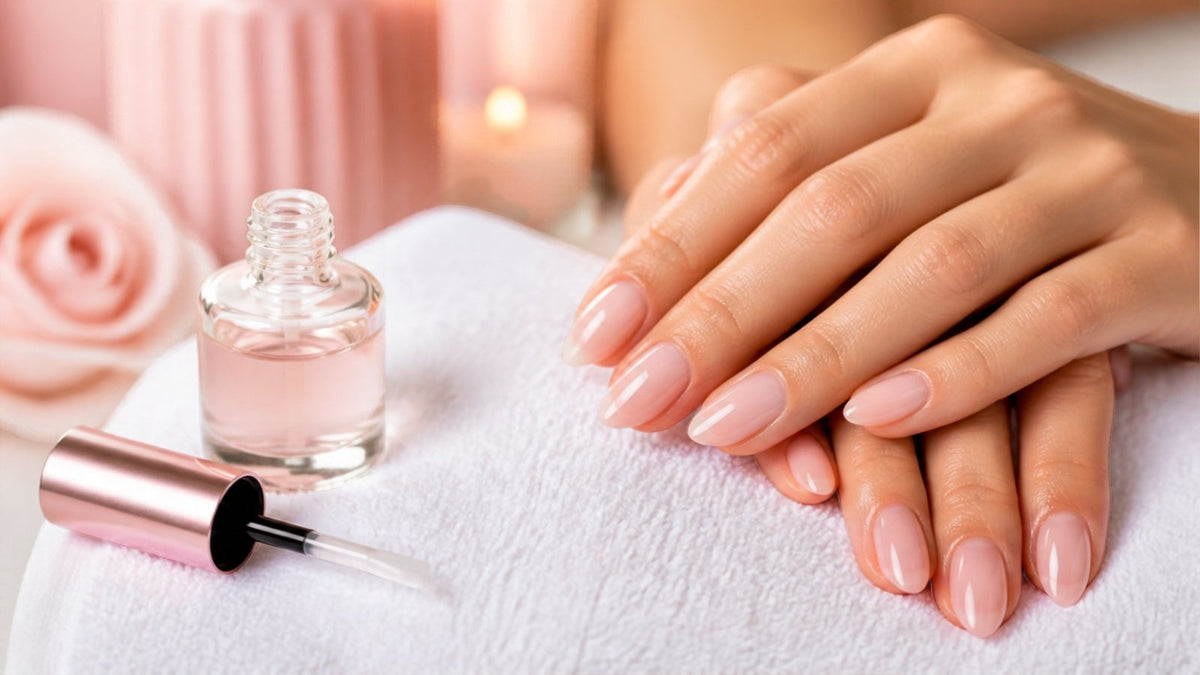
BIAB nails and builder gel are among the most searched terms around gel nails – because hardly any technique makes thin, brittle natural nails strong as easily. In this article you'll learn what builder gel and BIAB are, how they differ from classic hard gel and shellac, and how to apply, infill and remove builder gel step by step.
What is builder gel – and what does BIAB mean?
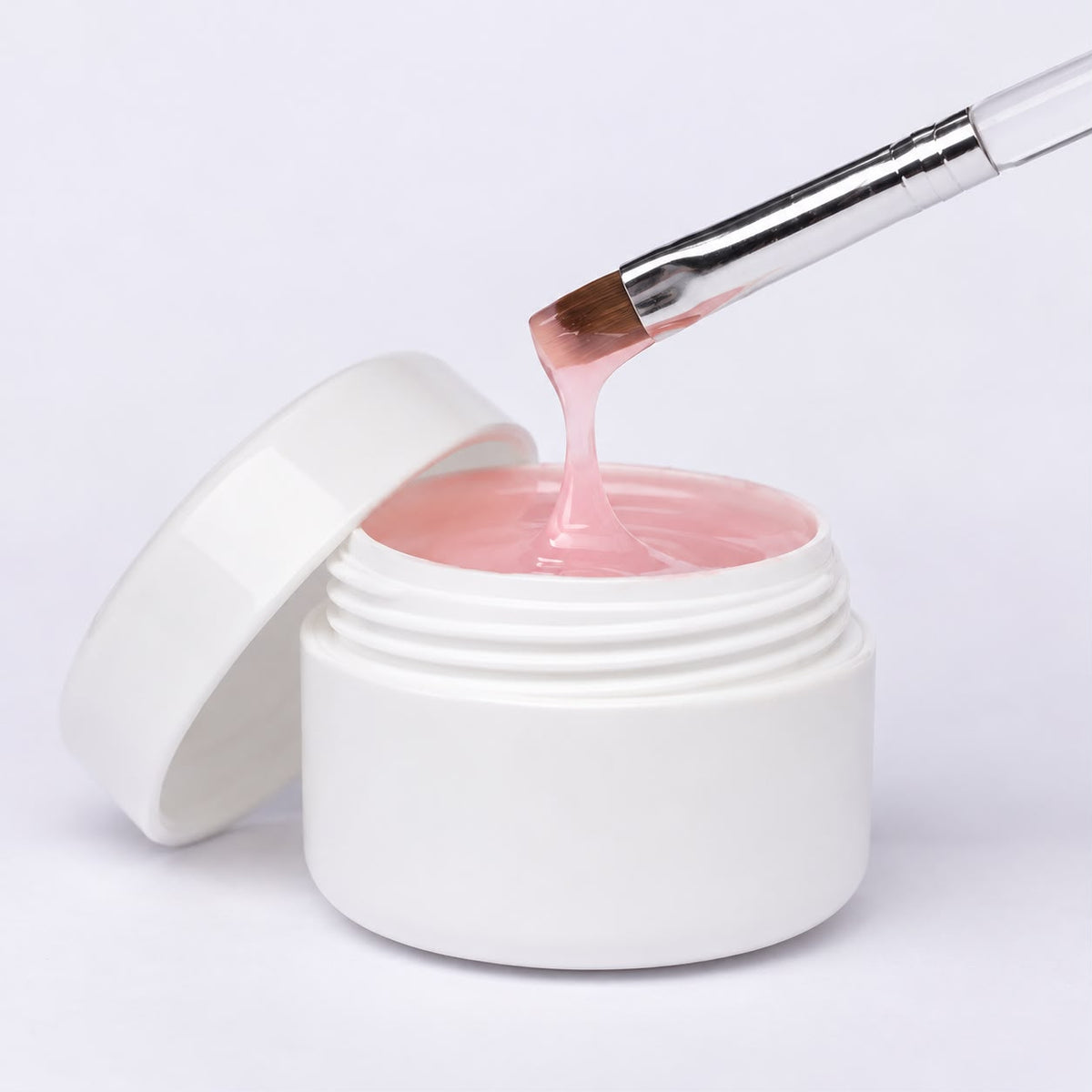
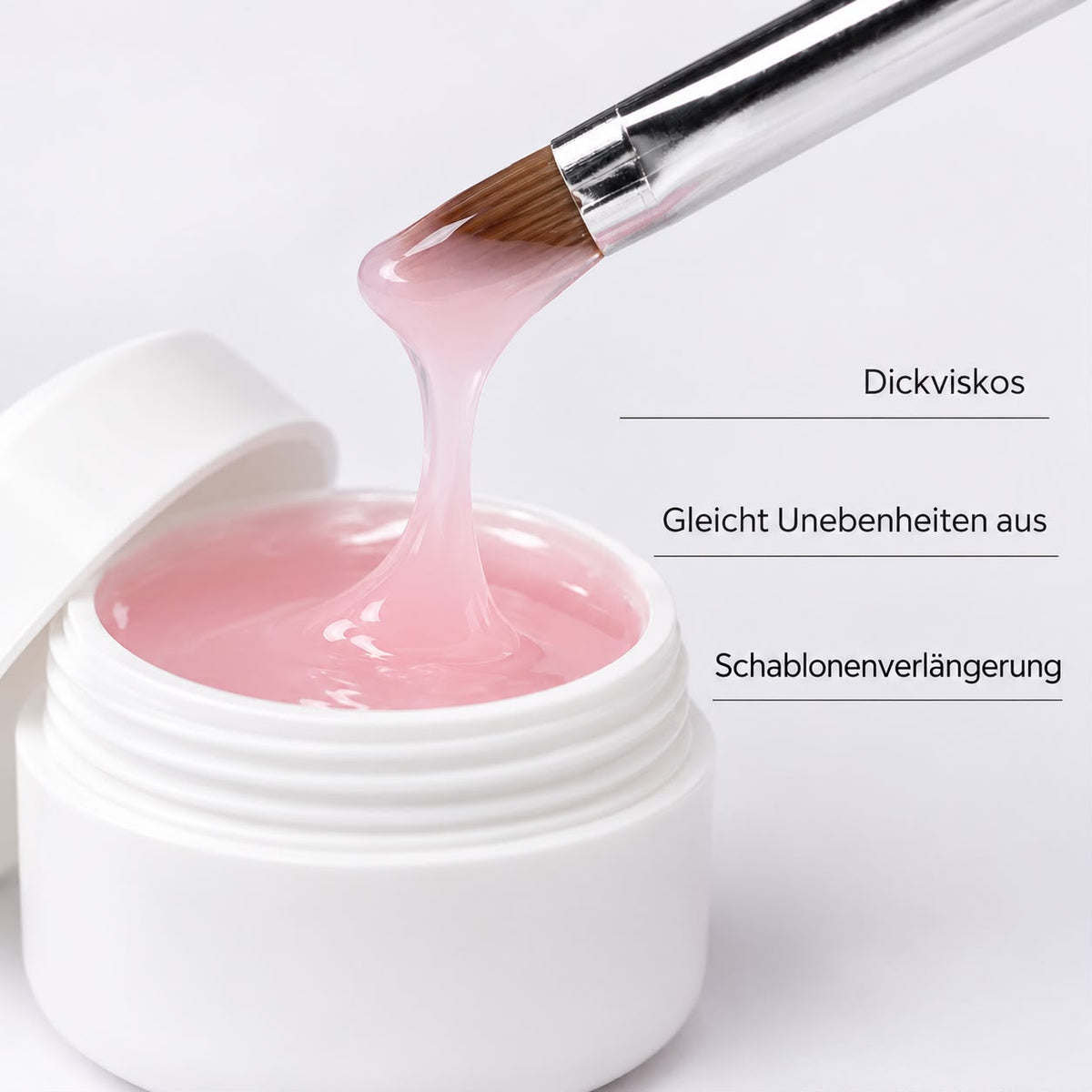
A builder gel is a structure gel you use to strengthen or sculpt the natural nail. It typically has a thicker, stable consistency that spreads evenly over the nail and forms a nice curve (apex).
BIAB stands for “Builder in a Bottle” and was originally a brand term of a specific manufacturer. Today it's commonly used for any builder gel that comes in a brush bottle and is applied straight from the bottle – instead of with a separate gel brush from a pot. So when someone talks about “BIAB gel” or “BIAB nails”, they usually mean a thin, natural-looking builder gel overlay on their own nail.
At BNC we simply call it builder gel. You'll find our gels for this technique in the categories builder gels and 1-phase gels.
Builder gel vs. classic hard gel vs. shellac
The lines are blurred – but there are typical differences in application and result:
Read more about UV nail polish in our article What is shellac?. For an overview of different builder gels, see Builder gels compared.
Who are builder gel and BIAB nails suitable for?
- Thin, soft or peeling nails: The overlay gives support so the nails can grow out in peace.
- Natural look: If you don't want long extensions, you get well-groomed nails at your own length.
- Nail biters trying to quit: A hard surface makes biting less tempting.
- Beginners: The technique is manageable – especially with self-levelling gels.
For significant extensions, you're better off with a classic sculpted set using tips or forms.
The products you need
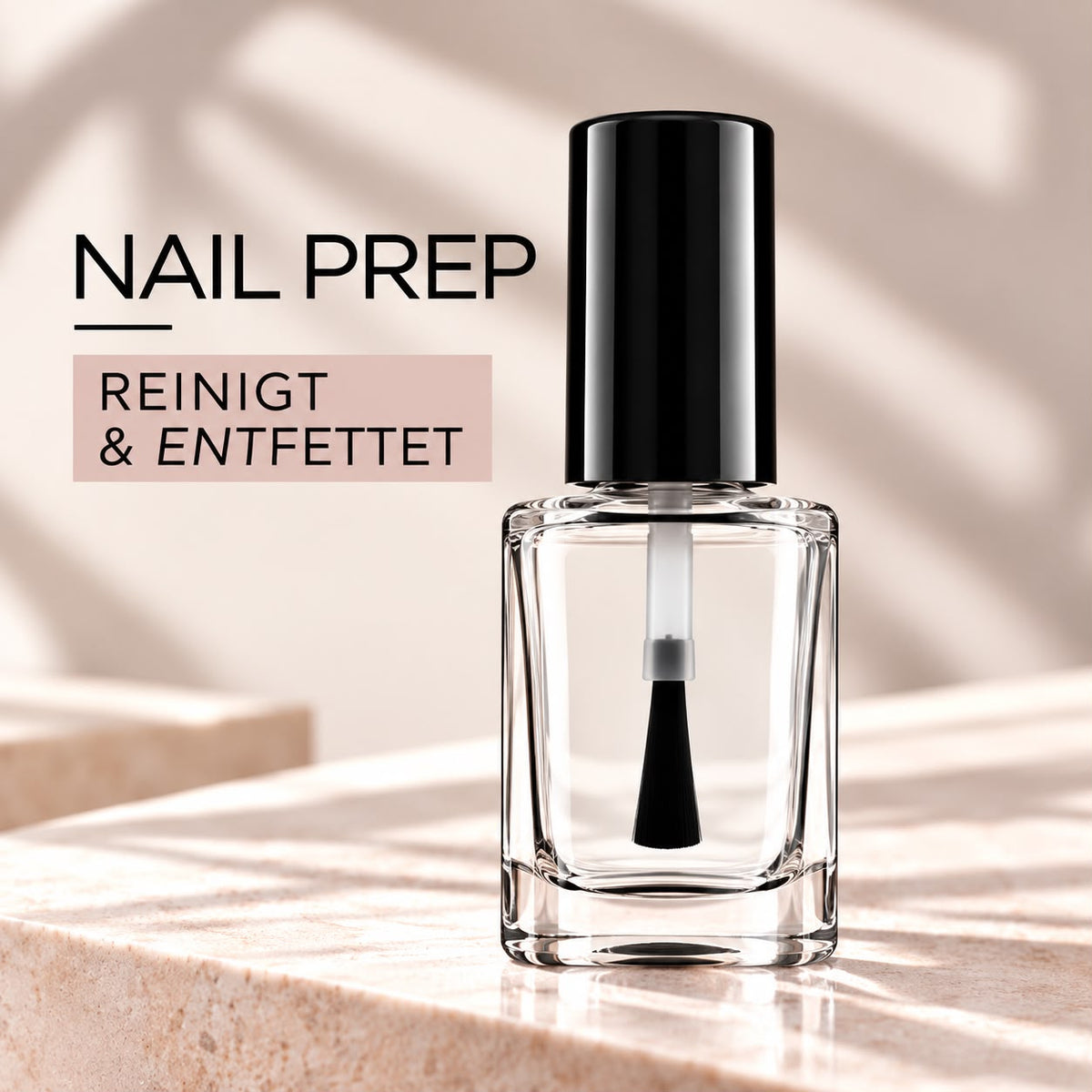
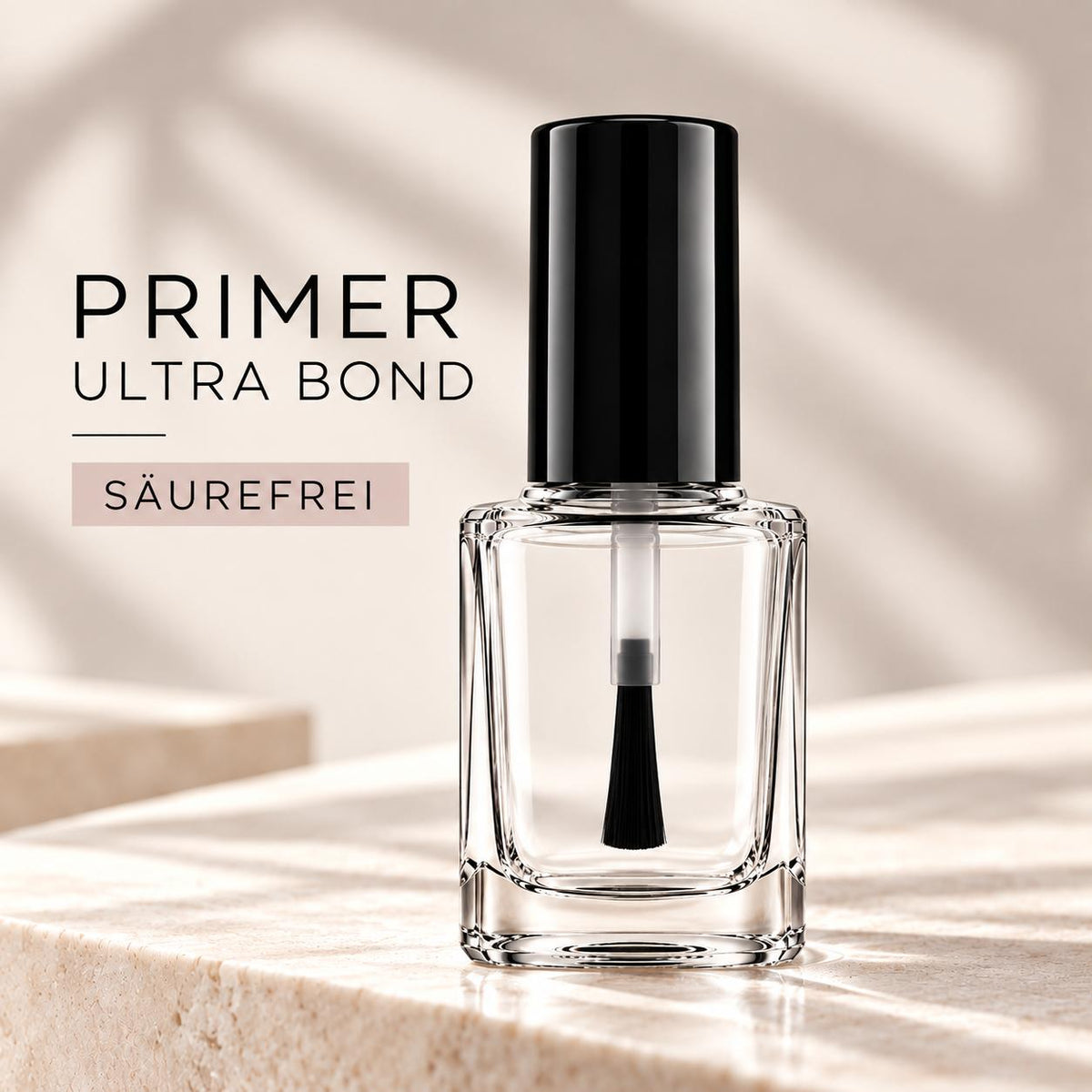
- Preparation: BNC Nail-Prep (Dehydrator) degreases and dehydrates the nail plate. Then the acid-free BNC Primer Ultra Bond ensures strong adhesion – it air-dries in approx. 30 seconds.
- Clear builder gel: The BNC Pro Builder Gel (Moonlight) elasto soft is flexible, medium-viscosity and free from HEMA, acids and hydroquinone – ideal for overlays and for clients with sensitive skin. If you prefer a thick, self-levelling gel, go for the BNC Professional Builder Gel clear (note: it generates a lot of heat while curing).
- Tinted builder gel: For a naturally rosy look, the BNC All in One Builder 1-phase gel rose no. 2 is a great choice – thick, self-levelling and usable as base, builder and sealing gel.
- Cover look: BNC Base One UV Gel Cover, Cover LIGHT and Cover FRENCH PINK conceal imperfections and visually lengthen the nail bed.
- Clear and strong in one: BNC Base One UV Gel thick clear – thick, for base, build and seal.
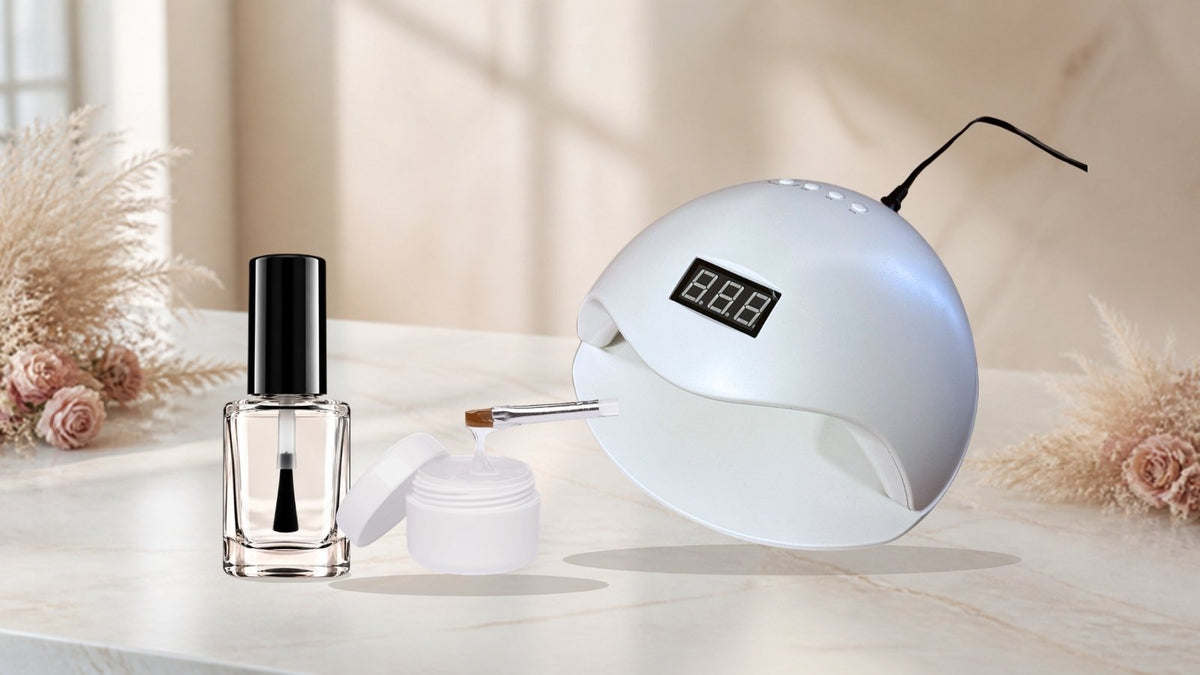
- Finish: a sealing gel from our finish gels, a UV or UV/LED lamp, files and buffers.
Builder gel tutorial: step by step to the overlay
1. Prepare the natural nail
Gently push back the cuticles, file the nails into shape and lightly buff the surface until there's no shine left. Remove all dust thoroughly.
2. Degrease and build adhesion
Apply Nail-Prep and let it dry for approx. 30 seconds. Then apply a thin layer of primer to the natural nail only and let it air-dry.
3. Base layer
Massage in a very thin layer of builder gel, keeping it away from the cuticles and side walls, and cure – 120 seconds for the BNC gels mentioned, according to the product descriptions.
4. Build layer with apex
Place a bead of gel in the centre of the nail and gently spread it forwards and to the sides with the brush. Briefly turn the finger upside down (“hanging technique”) so the highest point (apex) forms at the stress area. Then cure.
5. File the shape
Remove the sticky layer and smooth the shape and surface with a file and buffer. Self-levelling gels often need very little filing.
6. Seal
Seal with a finish gel and cure – or, with 1-phase gels such as the All in One Builder or Base One thick clear, finish with the same gel. Finally, care for the cuticles with oil.
Completely new to gel nails? Our guide DIY gel nails for beginners with a materials list will help you.
Builder gel infills
After about 3–4 weeks, a gap near the cuticle becomes visible. Instead of removing everything, you do an infill:
- File down the old product over the whole nail and blend the transition to the regrowth smoothly.
- Shorten the length and correct the shape.
- Prepare the regrowth: Nail-Prep, primer only on the exposed natural nail.
- Apply builder gel to the regrowth area, rebuild the apex, cure, file and seal.
This way there's always a protective layer on the nail, and the natural nail isn't stressed again at every appointment.
Removing builder gel
Classic hard gels and builder gels are filed off. File the product down layer by layer until only a thin layer remains on the natural nail – this way you avoid damaging the nail plate. Afterwards you can rebuild or care for your nails. Some products on the market are advertised as soak-off – but that only applies if it's explicitly stated in the respective product description. You'll find a detailed guide in How do I remove my gel nails?.
💡 Pro tip for salons
Offer the builder gel overlay as a treatment of its own, e.g. “natural nail reinforcement” with a fixed infill schedule. For clients with sensitive skin, the HEMA-free Moonlight elasto soft is a good choice; for a naturally rosy look without an extra colour layer, use the All in One Builder rose no. 2 – this saves steps and time at the table.
FAQ: Builder gel & BIAB
Is BIAB the same as builder gel?
Basically yes: BIAB (“Builder in a Bottle”) was originally a brand name but is commonly used for builder gels in a brush bottle. The technique – a strengthening overlay on the natural nail – is the same.
How long do builder gel nails last?
With good preparation, usually 3–4 weeks – after that you should get an infill.
Can I apply builder gel myself at home?
Yes. With careful preparation, a suitable lamp and a little practice, the overlay works at home too. Self-levelling gels make it easier to get started.
Does builder gel damage the natural nail?
Not when applied correctly. The main problems are excessive filing or peeling off the gel. Work gently and ask a salon for help if you're unsure.
Can I apply colour gel over builder gel?
Yes, after building you can apply colour gel and then seal it. You'll find tips in our article How to apply colour gel correctly.
Which BNC builder gel is suitable for people with allergies?
The BNC Pro Builder Gel (Moonlight) elasto soft is free from HEMA, acids and hydroquinone and dermatologically tested. If you have known allergies, talk to your doctor first.
Strong natural nails with builder gel
Builder gels, cover gels, primers and finish gels for reinforcing your natural nails: in the BNC online shop you'll find nail cosmetics & nail salon supplies in professional quality – for home and for the salon.
Browse the shop




Leave a comment
This site is protected by hCaptcha and the hCaptcha Privacy Policy and Terms of Service apply.